Old wiring is one of those things that is easy to ignore until it becomes a problem, and a house that needs rewiring rarely shows it on the surface. Hidden behind walls and under floors, an electrical system can look fine while quietly becoming unsafe. Knowing the signs your house needs rewiring helps you act before a fault turns into a fire risk or a failed safety inspection. Here are the signs a home needs rewiring, and what a rewire actually involves.
How long does house wiring last?
Electrical wiring doesn’t last forever. As a rough guide, a full installation lasts around 25 to 30 years, though it depends on the type of cable, how much the system is used and how well it was installed. Many London homes, especially period properties, still have wiring that is decades old, sometimes with later additions layered on top. If nobody has rewired the property in 30 years, or you don’t know when it was last done, it is worth having it checked.
Signs your home needs rewiring
You rarely see the wiring itself, so the signs a house needs rewiring show up elsewhere. Look out for these.
1. An old fuse box
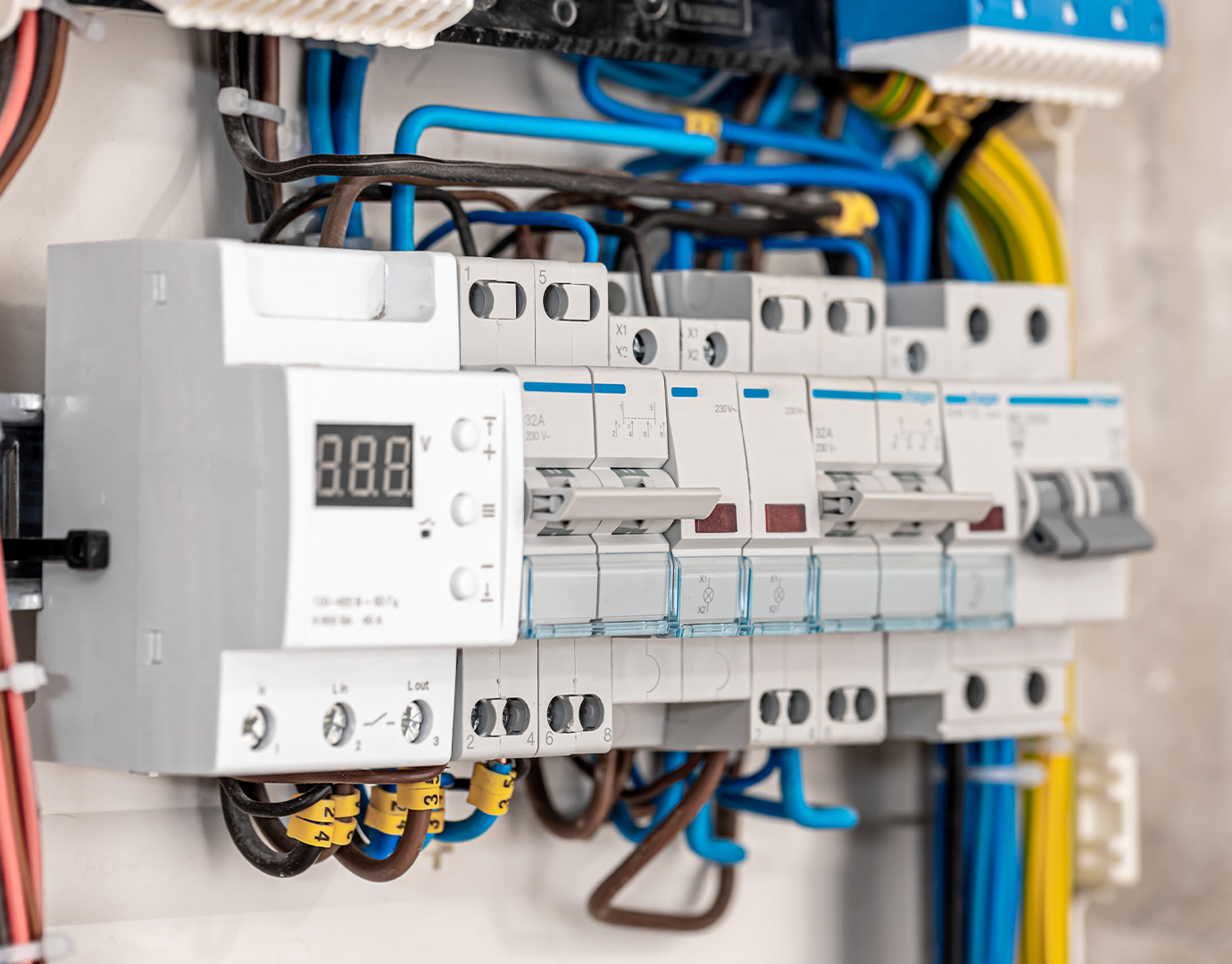
If you still have an old-style fuse box with rewirable fuses or ceramic fuse holders, rather than a modern consumer unit with circuit breakers and RCD protection, the installation is likely to be old, may not meet current safety standards, and often means the house needs rewiring.
2. Fuses blowing or breakers tripping
The occasional trip is normal. Frequent tripping, or fuses that blow regularly, suggests the circuits are overloaded or there is a fault developing.
3. Flickering or dimming lights
Lights that flicker, dim when an appliance switches on, or buzz can be a sign of loose or deteriorating connections.
4. Discoloured or warm sockets and switches
Scorch marks, browning, a burning smell or warmth around a socket or switch are serious warning signs. Stop using the socket and get it checked straight away.
5. Not enough sockets
Nobody wired homes decades ago for today’s number of devices. If every room relies on extension leads and multi-way adaptors, the system is doing more than it was built for.
6. Old cabling
Cables with black or fabric-covered rubber insulation, or green and yellow earth sleeving that looks perished, date from an era before modern PVC cable, usually need replacing, and are a clear sign a house needs rewiring.
7. A buzzing sound or a tingle
A buzzing from sockets or the consumer unit, or any slight tingle from a switch or appliance, means a fault. This needs attention immediately.
How to tell if a house needs rewiring for sure
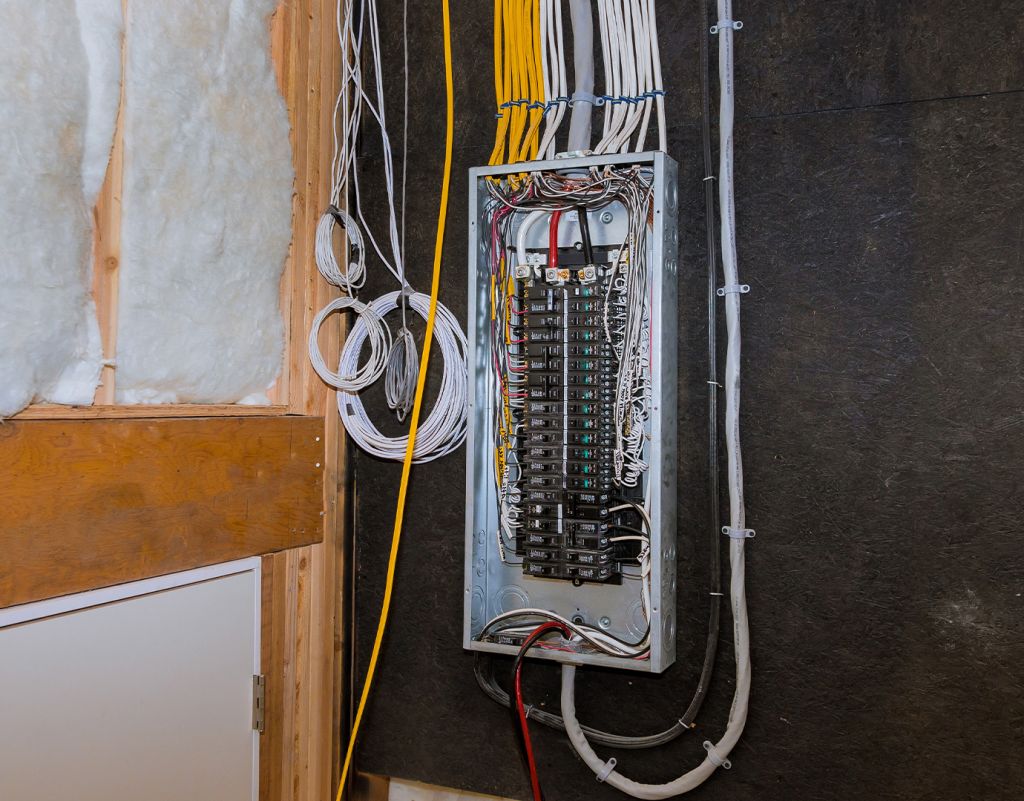
To judge the condition of an electrical installation, a qualified electrician carries out an inspection by a qualified electrician, known as an Electrical Installation Condition Report, or EICR. The electrician tests the wiring, the consumer unit and the earthing, and records anything that is dangerous, potentially dangerous or in need of improvement. The report tells you whether the system is safe to keep using, needs some remedial work, or whether the house needs rewiring in full.
What rewiring a house involves
A full rewire replaces the cabling, sockets, switches and consumer unit throughout the property. Rewiring is disruptive, because cables run inside walls and under floors, so there is usually some lifting of floorboards and chasing into plaster, followed by making good and redecorating. Because of this, many people rewire a house when it is empty, or alongside a wider renovation.
You do not always need a full rewire. Sometimes the fix is a new consumer unit, replacing one or two circuits, or adding extra sockets so the system isn’t overloaded. A good electrician will tell you what actually needs doing rather than assuming the worst.
Why rewiring matters
Faulty and outdated wiring causes many house fires. Beyond safety, there are practical reasons to keep an installation up to date. Landlords must have the electrics inspected at least every five years and keep them safe and in good order. Buyers and surveyors look closely at old wiring and whether a house needs rewiring, and an unsafe installation can hold up a sale. Sorting out a house that needs rewiring protects the people in the home and the value of the property.
Get your electrics checked
If you recognise any of these signs, don’t wait. Our qualified electricians in London carry out EICR inspections, upgrade old consumer units, add sockets and rewire where needed, with the correct certification for every job. Call 020 3855 2692 or book online for a free quote.
Rewiring questions
How do I know if my house needs rewiring?
Warning signs include an old fuse box, frequent tripping or blown fuses, flickering lights, warm or discoloured sockets, too few sockets, and old fabric or rubber cabling. An EICR inspection confirms the condition.
How often does a house need rewiring?
Wiring typically lasts around 25 to 30 years. If nobody has rewired the home in that time, or the age is unknown, it is worth having it inspected.
What is an EICR?
An Electrical Installation Condition Report is an inspection by a qualified electrician that checks whether the wiring, consumer unit and earthing are safe, and whether any work is needed.
Does a whole house always need rewiring?
Not always. Sometimes a new consumer unit, a single circuit or extra sockets is enough. A qualified electrician will advise what is actually required.
Is old wiring dangerous?
It can be. Deteriorated or overloaded wiring is a leading cause of house fires, which is why warm sockets, burning smells and frequent tripping should be checked without delay.