A sink that empties slowly, a gurgling plughole, a bad smell drifting up from the drain, or water that simply won’t go down. A blocked drain is one of the most common household problems, and also one of the most frustrating. The good news is that many blockages can be cleared at home with a bit of patience. Here’s what to do when you have a blocked drain, and when it is time to call a professional.
What causes a blocked drain?
In most cases, a blocked drain builds up slowly from the things that go down the plughole every day. The usual culprits are:
- Kitchen sinks: fat, oil and grease that cool and harden, plus food scraps and coffee grounds.
- Bathroom sinks and showers: hair, soap scum and limescale.
- Toilets: too much paper, wet wipes and other items that should never be flushed.
- Outside drains: leaves, silt and, in older properties, tree roots finding their way into cracked pipes.
So knowing what caused the blocked drain often tells you how to clear it, and how to stop it happening again.
How to clear a blocked drain yourself
Before reaching for harsh chemicals, try these methods on a blocked drain in order. Many blockages clear with the gentler approach.
1. Boiling water
For example, for a kitchen sink blocked with grease, a kettle of hot (not quite boiling) water poured down the drain can soften and shift the fat. Avoid boiling water on plastic pipes or ceramic toilets, where very hot water can cause damage.
2. A plunger
Next, a cup plunger is the classic tool for a blocked drain. Cover the overflow with a damp cloth so you get a good seal, place the plunger over the plughole and work it up and down firmly. The suction often breaks up a blockage close to the plughole.
3. Baking soda and vinegar
Pour a good amount of bicarbonate of soda down the drain, followed by white vinegar. Leave it to fizz for twenty minutes or so, then flush through with hot water. It is a gentle way to shift grease and freshen a smelly drain.
4. Clear the trap or U-bend
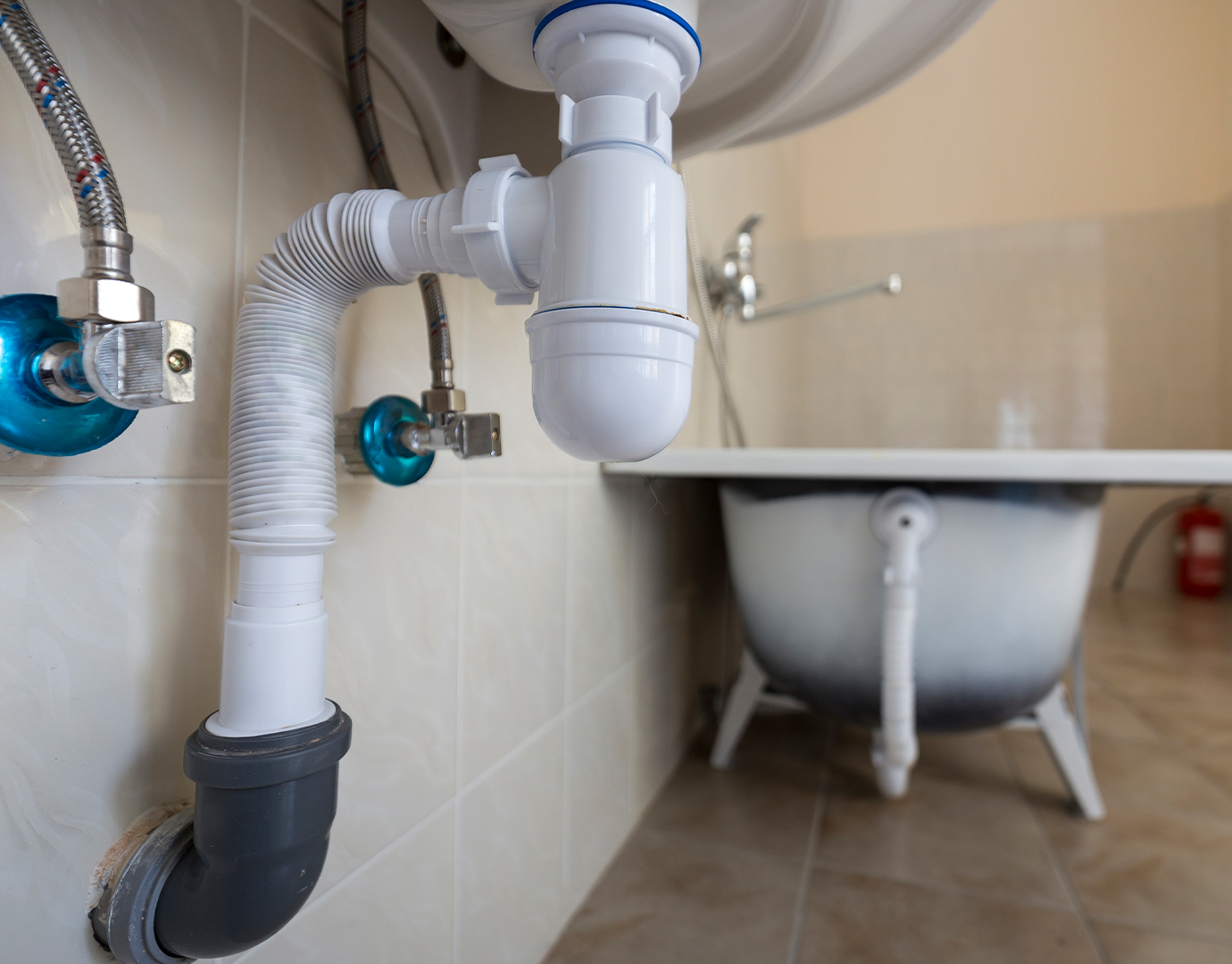
Under a sink, meanwhile, the U-bend traps a lot of blockages. Put a bucket underneath, unscrew it, clear out whatever is caught inside, and refit it. It is a mucky job but it clears a lot of stubborn sink blockages.
5. A drain snake
Finally, for a blocked drain further down, a drain snake or auger can reach in and pull out or break up the obstruction. Hair clogs in bathroom drains often come out this way.
It is best to avoid strong chemical drain cleaners where you can. They can damage older pipes, they don’t always work on a solid blockage, and the caustic water left sitting in a blocked pipe is unpleasant and risky if you then have to open it up.
When to call a professional
However, some blocked drains are beyond a plunger and a U-bend. Call a professional if:
- more than one drain is blocked at the same time, which suggests a blockage in the main pipe
- water or sewage is backing up into the home
- there is a persistent bad smell even after cleaning
- the blockage keeps coming back
- an outside drain or manhole is overflowing
Generally, these point to a blocked drain deeper in the system, which may need drain rods, high-pressure water jetting or a camera inspection to find and clear. A camera survey can also show whether the pipe itself is cracked or has tree roots growing into it, which is common in older London properties.
How to prevent blocked drains
- never pour fat, oil or grease down the sink; let it cool and bin it
- use a plughole strainer to catch food scraps and hair
- only flush the three Ps: pee, paper and poo, never wipes or sanitary items
- run hot water through the kitchen sink after washing up
- clear leaves from outside drains and gullies, especially in autumn
Blocked drains and winter
Autumn and winter, in particular, bring their own blocked drain problems. Fallen leaves block outside drains and gullies, and the extra cooking and hot water over the festive season put more grease through kitchen pipes. Therefore, a quick clear-out of outside drains before winter saves a lot of trouble when the heavy rain arrives.
Clear a blocked drain with CityPrime
If a blocked drain won’t shift, keeps returning, or is backing up into the home, our plumbing team in London can clear it properly with rods, jetting and camera inspection where needed. For a drain that is flooding or sewage backing up, our 24/7 emergency call-outs are available day and night. Call 020 3855 2692 or book online.
Blocked drain questions
How do I clear a blocked drain myself?
Try hot water for grease, then a plunger, then baking soda and vinegar. For a sink, clearing the U-bend or using a drain snake often works. Avoid harsh chemical cleaners where you can.
What causes most blocked drains?
Fat, oil and food in kitchen sinks, hair and soap in bathrooms, wipes and too much paper in toilets, and leaves or roots in outside drains.
When should I call a professional for a blocked drain?
Call one if several drains are blocked at once, water or sewage is backing up, the smell persists, the blockage keeps returning, or an outside drain is overflowing.
Are chemical drain cleaners a good idea?
It is best to avoid them. They can damage older pipes, don’t always clear solid blockages, and leave caustic water sitting in the pipe.
How do I stop my drains blocking?
Never pour fat down the sink, use plughole strainers, only flush paper and waste, run hot water through the kitchen sink, and keep outside drains clear of leaves.