If you let a property in London, there’s one certificate that tends to slip off the radar because it only comes round every five years. The EICR for landlords, or Electrical Installation Condition Report, is a legal requirement for almost every private rented home in England. Miss it and you face an EICR fine of up to £30,000. With the Renters’ Rights Act in force, a landlord register on the way, and the heating and lighting about to run harder through winter, autumn is a good moment to check your dates and understand the EICR codes.
Here’s what the rules say, what happens during the inspection, and what to do if the report comes back unsatisfactory.
What is an EICR?
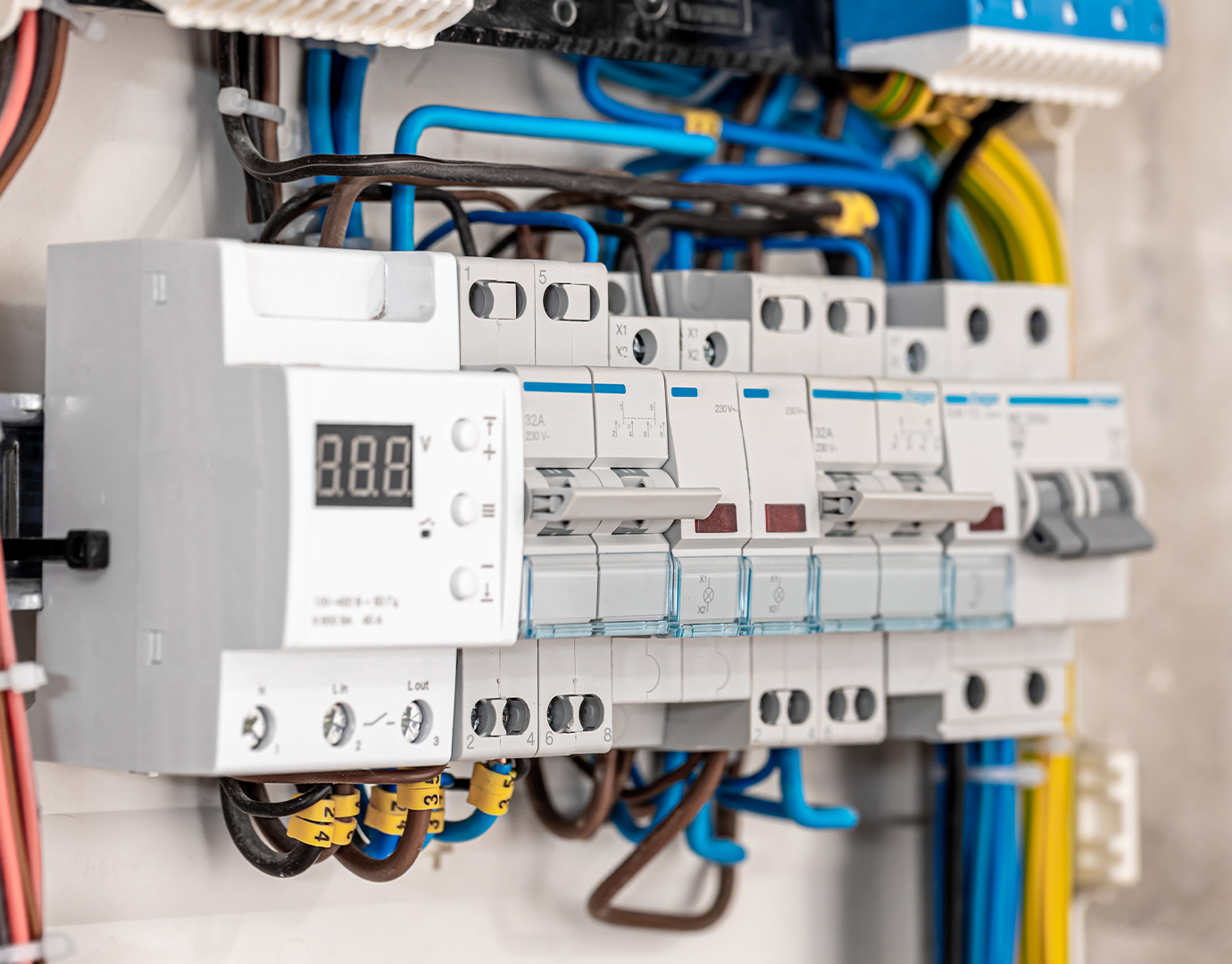
An Electrical Installation Condition Report is a detailed inspection and test of the fixed electrical installation in a property. That means the wiring, consumer unit (fuse box), sockets, switches, light fittings and any permanently connected equipment such as an electric shower or extractor fan.
A qualified electrician checks whether the installation is safe to keep using, and records anything that’s dangerous, potentially dangerous or needs further investigation. It isn’t the same as PAT testing, which covers portable appliances like kettles and lamps.
EICR for landlords: the legal requirements
The rules come from the Electrical Safety Standards in the Private Rented Sector (England) Regulations 2020. Under the government guidance, landlords must:
- have the electrical installation inspected and tested at least every five years by a qualified and competent person
- get a written report with the results and the date of the next inspection
- give a copy to existing tenants within 28 days of the inspection
- give a copy to new tenants before they move in
- give a copy to a prospective tenant within 28 days of them asking for one
- send a copy to the local council within seven days if it asks
- keep a copy to give to the next inspector
If the report asks for a shorter interval than five years, you must follow that. Older London properties with original wiring often get a three-year recommendation.
What happens during a landlord EICR
For a typical London flat, an EICR takes around two to four hours. A larger house can take most of a day. The electrician will:
- check the consumer unit, circuit breakers and RCD protection
- test a sample of sockets, switches and light fittings
- check the earthing and bonding to gas and water pipes
- look for overheating, damage, wear and signs of DIY work
- test that the RCDs trip quickly when they should
The power will be off for parts of the inspection, so let your tenants know in writing at least 24 hours before, and agree a time that suits them.

Understanding EICR codes
Every problem on the report gets one of four EICR codes:
- C1: danger present. There’s an immediate risk of injury. The electrician should make it safe straight away.
- C2: potentially dangerous. Not dangerous right now, but could become so. Must be fixed.
- FI: further investigation required. The electrician couldn’t confirm whether something is safe. It must be investigated.
- C3: improvement recommended. Doesn’t meet current standards but isn’t unsafe. Not mandatory, but worth planning for.
For an EICR for landlords, any C1, C2 or FI means the report is unsatisfactory.
What to do if your EICR is unsatisfactory
You must carry out the remedial work or further investigation within 28 days, or sooner if the report says so. Then you need written confirmation from a qualified electrician that the work is done. Send that confirmation, along with the original report, to your tenants and to the local council within 28 days of the work being finished.
Common reasons landlords fail an EICR in London include:
- an old consumer unit with no RCD protection
- missing or inadequate earthing and bonding
- damaged sockets or switches
- outdated or deteriorated wiring in older properties
- DIY additions that don’t meet regulations
- electrical fittings too close to water in bathrooms
Most of these are straightforward fixes. A consumer unit upgrade, for example, is usually done in a day.

EICR fines for landlords
The EICR fine for breaching the regulations can reach £30,000. Councils can also arrange the remedial work themselves and recover the cost from you. Beyond the fines, faulty electrics are one of the hazards that make a home unfit to live in. They’ll also count under the new Decent Homes Standard, which is due to apply to private rentals from 2035.
With the national landlord register rolling out from late 2026, expect councils to have a much clearer picture of who owns what. Keeping your safety certificates in date and easy to find will matter more, not less.
A simple EICR plan for landlords
- Find your current report, check the EICR codes on it and the date of the next inspection.
- If it’s due in the next six months, book it now, before the winter rush, to avoid an EICR fine.
- Line it up with other checks, such as the gas safety record, smoke and carbon monoxide alarms, and any repairs you need to do before winter.
- Keep digital copies of every report and confirmation of remedial work.
- Put the next due date in your calendar with a three-month reminder.
For the bigger picture, our guide to landlord repair obligations in 2026 covers the other duties and the changes coming in.
How CityPrime helps
Our electrical team carries out EICR testing for landlords, homeowners and businesses across London. If the EICR codes show problems, we can quote for the remedial work and do it within the 28-day window, including consumer unit upgrades, rewiring and replacing damaged fittings.
We also handle the other jobs that tend to come up at the same time, from plumbing to making good after rewiring. For landlords with several properties, our property management support keeps track of certificates and repairs in one place.
EICR questions
How often do landlords need an EICR?
At least every five years, or sooner if the previous report recommends a shorter interval. This applies to private rented homes in England, and missing it can lead to an EICR fine.
How long does an EICR take?
Around two to four hours for a typical flat. A larger house can take most of a day. The power will be off for short periods during the test.
What happens if an EICR fails?
If the EICR codes include C1, C2 or FI, you must complete the remedial work or further investigation within 28 days, or sooner if the report says so. Then send written confirmation to your tenants and the council within 28 days of finishing.
What is the fine for not having an EICR?
The EICR fine can be up to £30,000 for breaching the electrical safety regulations.
Do I need an EICR if I own and live in my home?
It isn’t a legal requirement for owner-occupiers. However, it’s recommended every ten years, and it’s useful when buying an older property or before a renovation.
EICR due, or not sure when yours runs out? Book an inspection, call 020 3855 2692, or ask us a question.