A water leak rarely announces itself. There’s no burst pipe, no flood, just a quietly rising water bill, a musty smell, or a patch of wall that never quite dries. Left alone, a slow leak can rot timber, ruin plaster and feed damp and mould for months before anyone notices. Knowing how to find a water leak early can save you a fortune in repairs, because a hidden leak does its worst damage slowly. Here is how to find a water leak, the signs to look for and the checks you can do yourself.
Signs you might have a water leak
Most hidden leaks give themselves away if you know what to watch for. The common warning signs are:
- a water bill that is higher than usual with no change in how much you use
- a damp or musty smell that won’t go away
- patches of damp on walls, ceilings or floors
- paint or wallpaper that is bubbling or peeling
- a drop in water pressure
- the sound of running or dripping water when all the taps are off
- warm patches on the floor, which can point to a hot water or heating leak
- mould appearing in a spot that was always dry before
One or two of these together is a strong hint that water is escaping somewhere it shouldn’t.
How to find a water leak yourself
To find a water leak, there are a few simple checks you can do that can tell you whether you have a leak and roughly where it is.
1. Check your water meter
To find a water leak, this is the clearest test. Turn off every tap and water-using appliance in the home. Take a reading from your water meter, wait an hour without using any water, then read it again. If the number has moved, water is escaping somewhere in the system.
2. Isolate the stopcock
Once you know there is a leak, turn off the stopcock, usually under the kitchen sink, and take another meter reading over an hour. If the meter stops moving, the leak is inside your home. If it keeps moving, the leak may be on the supply pipe between the meter and the house.
3. Follow the clues indoors
To find a water leak indoors, walk through the house looking for the signs above. Check under sinks, around the base of the toilet, behind the washing machine and dishwasher, and around radiators and their valves. Feel for damp and look for water marks or staining.
4. Rule out condensation
Not every damp patch is a leak. Condensation on cold walls and windows, especially in winter, can look similar. A leak usually produces a patch that grows or reappears in the same place, often with a tide mark, while condensation tends to form in cold corners and around windows.
Where leaks most often hide
When you want to find a water leak, a few places in London homes cause most of the trouble:
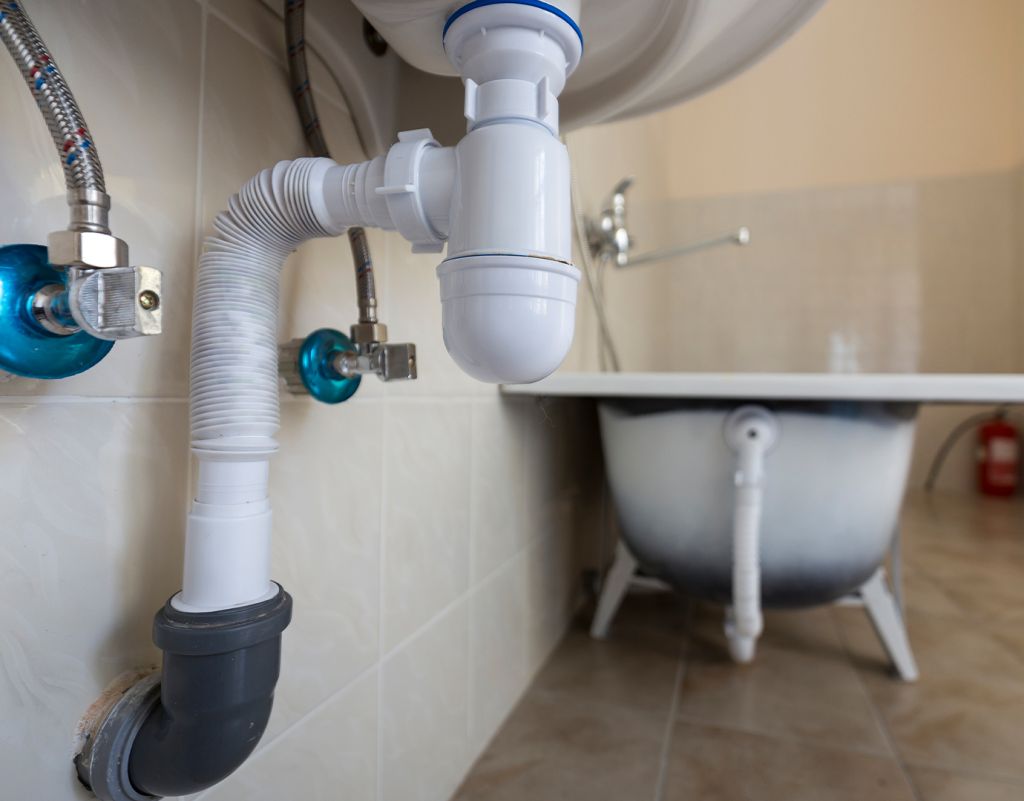
- Under sinks: the trap and the flexible hoses to taps work loose over time.
- Behind appliances: washing machine and dishwasher hoses perish and drip.
- Around the bath and shower: failed sealant lets water run behind the tiles.
- Toilets: a worn seal at the base or a faulty cistern can leak slowly for weeks.
- Radiator valves: a weeping valve leaves a small damp patch on the floor below.
- Under floors and behind walls: pipe joints hidden from view are the hardest to find.
What to do when you find a leak
If the leak is obvious and reachable, such as a dripping tap or a loose hose, turn off the water at the stopcock and deal with it, or call a plumber. If water is coming through a ceiling or you can’t find the source, turn the water off and get help quickly. The longer water sits in a structure, the more damage it does.
Some leaks are hidden inside walls, under floors or beneath a concrete slab. These need proper leak detection equipment, such as acoustic listening devices and thermal imaging, to pinpoint the source without ripping up half the house. That is a job for a professional.
Why finding a leak early matters
A small leak is cheap and quick to fix. The same leak ignored for a few months can mean replacing floorboards, re-plastering walls and treating damp and mould. For landlords, a leak that damages a tenant’s belongings or the flat below can also lead to an insurance claim and a dispute. Acting on the first signs, and knowing how to find a water leak early, is always the cheaper path.
Get a leak found and fixed
If you suspect a leak but can’t find it, our plumbing team in London uses proper leak detection to trace the source with as little disruption as possible, then repairs it and makes good afterwards. For water coming through a ceiling or a leak you can’t stop, our 24/7 emergency call-outs are there day and night. Call 020 3855 2692 or book online.
Water leak questions
How do I know if I have a water leak?
Watch for a higher water bill, a musty smell, damp patches, low water pressure, or the sound of running water when the taps are off. A water meter test is the clearest way to confirm it.
How do I find a water leak with my water meter?
Turn off all taps and appliances, take a meter reading, wait an hour without using water, then read it again. If the number has changed, you have a leak.
Is a damp patch always a leak?
No. Condensation can look similar, especially in winter. A leak usually grows or returns in the same spot with a tide mark, while condensation forms in cold corners and around windows.
Can a small water leak cause serious damage?
Yes. A slow leak left for months can rot timber, ruin plaster and cause damp and mould, turning a cheap fix into a major repair.
How are hidden leaks found?
Leaks inside walls or under floors are traced with leak detection equipment such as acoustic listening devices and thermal imaging, which pinpoint the source without unnecessary damage.